

Studio Staples: What Do You Know About Vinyl Paints?


Have you ever worked with vinyl paints? Recently, I had the opportunity to experiment with them, and it’s generated a fascination work sharing. When working with water-based paints, it’s natural for me to gravitate towards acrylics or watercolor, and occasionally, gouache. Introducing vinyl paints—specifically, Lefranc Bourgeois Flashe—as an option has given me a compelling option because of their unique smooth quality and distinctive matte finish.
These paints are formulated with a unique vinyl resin binder and high pigment concentration. Working directly from the tube, the viscosity is notable, with an easy to brush on smoothness. It has substance without feeling “thick” or “sticky,” and a flow that is not “watery” or uncontrollable. If you’re interested in experimenting with them yourself, here are some observations to consider so you can dive right in.
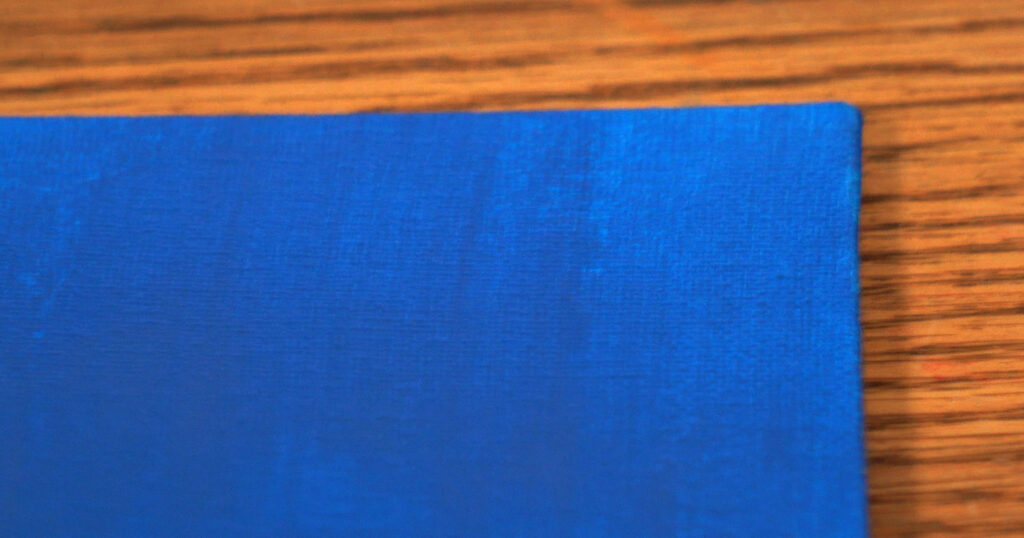
The Signature Finish: Pure Matte

Lefranc Bourgeois Flashe paints are a great introduction to the medium. The most notable feature is the velvety matte quality. Unlike acrylics, which often retain a slight plastic sheen or gloss even in matte versions, these paints dry to a completely non-reflective surface. This makes it an ideal medium for:
- Graphic & Hard-Edged Works: The flat finish emphasizes shape and color without distracting highlights. It also creates nice, clean edges when masking.
- Photography-Ready Art: Because it is non-reflective, the work is incredibly easy to document without dealing with glare. This makes it great for hand-painted illustration and graphic design.
- Murals and Theatrical Sets: The intensely matte surface makes it easier to manage with the intensity of the sun or stage lighting.
Technical Strengths & Versatility
Strong advantages of Flashe are its adhesion and flow. It can be used directly from the tube with excellent coverage, or thinned with water for more transparent effects. Because the body is relatively light, it has self-leveling properties that minimize brush strokes in thick passages, providing a response on the brush that is exceptionally smooth.
Another notable feature of vinyl paints is the ability to adhere to a wide array of surfaces without the need for priming. This expands the opportunity for mixed media and to work on just about any material, including:
✓
Traditional Canvas and Paper
✓
Wood and Plastic
✓
Fabric and Clothing (where it maintains excellent flow and flexibility)
Tips for Working with Vinyl Paints
✓
Underpainting: Because Flashe dries to a toothy and water-resistant film, it serves as an effective ground for mixed media. Once dry, you can apply colored pencils, pastels, or pen and ink on top. The surface grabs the dry media much more effectively than the slick film of acrylic film would.
✓
Layer: Flashe is semi-opaque. To achieve the best results, build your colors in layers. This approach leverages the paint’s supple consistency to create deep, rich fields of color that remain elastic and durable.
✓
Think “Graphic”: While these paints can be blended—and actually offer a longer working time than traditional acrylics—their qualities are best leveraged with graphic applications. If you are working on pieces with hard edges or bold color blocks, vinyl resin will help you achieve a professional, commercial-grade finish.
Try them for yourself! Vinyl paints offer a refreshing alternative when seeking a velvety matte finish without sacrificing the permanence of professional-grade media. Leverage the unique tooth for mixed media, embrace the fluidity, and perhaps push your practice into new graphic territories. I encourage you to pick up a few tubes, experiment with these techniques, and discover how this supple, non-reflective medium could be what you need to open new creative options for your work.

About the Artist
Scott Maier is an artist, instructor, and a content contributor to artistsnetwork.com. He’s an adjunct instructor at Rocky Mountain College of Art and Design, as well as the author of these instructional art books:
See, Think, Draw: An Easy Guide for Realistic Drawing and Beyond.
The Little Book of Oil Painting Secrets (on pre-order)
The Field Guide to Landscape Painting (on pre-order)
From Our Shop




Join the Conversation!